
Fire Damage Restoration Service & Smoke Damage Restoration
Smoke Travels Farther Than Fire
Fire restoration services are only the beginning.
Smoke, soot, and toxic residue travel far beyond the original source.
FIRE IMPACT REALITY
Fire Damage Is a System-Wide Event
Fire affects more than burned areas.
Smoke and soot penetrate HVAC systems, electrical outlets, insulation, and hidden structural cavities.
SECONDARY DAMAGE RISKS:
- Structural weakening from heat
- Smoke infiltration across entire building systems
- Water damage from firefighting response
- Electrical system compromise
- Long-term odor contamination
OUR FIRE RESTORATION PROCESS
From Damage to Safe Occupancy
STEP 1 — EMERGENCY RESPONSE
Secure structure and assess immediate hazards.
STEP 2 — BOARD-UP & STABILIZATION
Protect property from weather, intrusion, and further damage.
STEP 3 — SMOKE CONTAINMENT
Prevent soot migration using sealing and containment systems.
STEP 4 — CLEANING & DECONTAMINATION
Remove soot from all impacted surfaces and systems.
STEP 5 — ODOR REMEDIATION
Neutralize smoke at molecular level (not masking).
STEP 6 — FINAL RESTORATION
Return property to safe, livable condition.
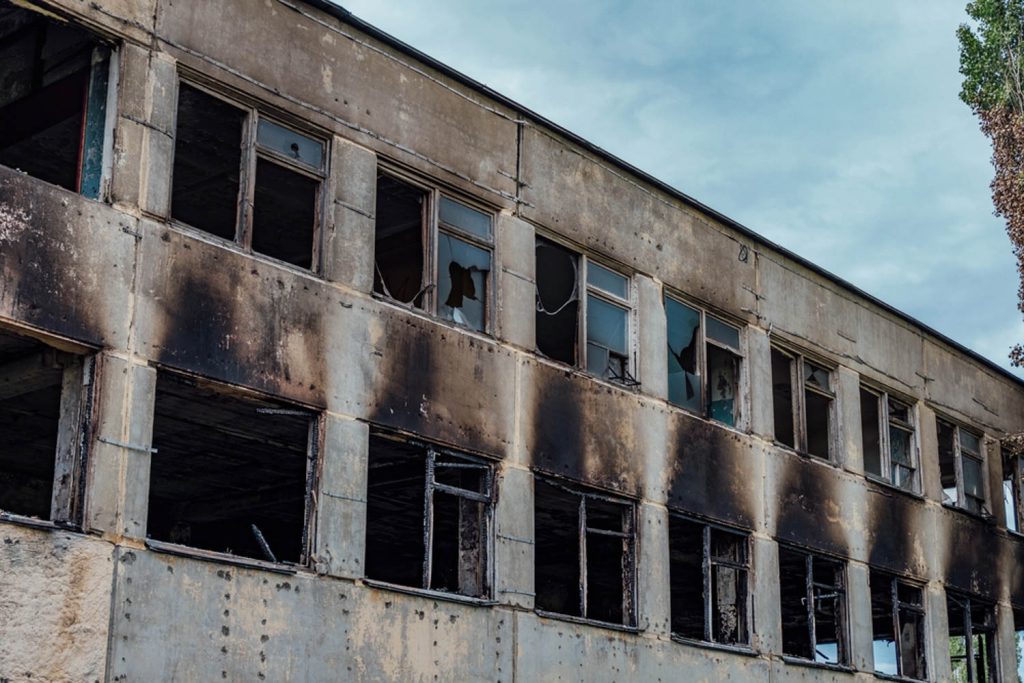
HIDDEN FSMOKE FIRE DAMAGE RISKS
What You Don’t See Is Often Worse
Smoke and fire restoration is crucial because smoke residue continues damaging materials long after the fire is extinguished.
Acidic soot can permanently etch surfaces within hours.
HVAC systems can redistribute contamination throughout entire buildings.
CONTENT PROTECTION (PACK OUT)
Protecting What Matters Most
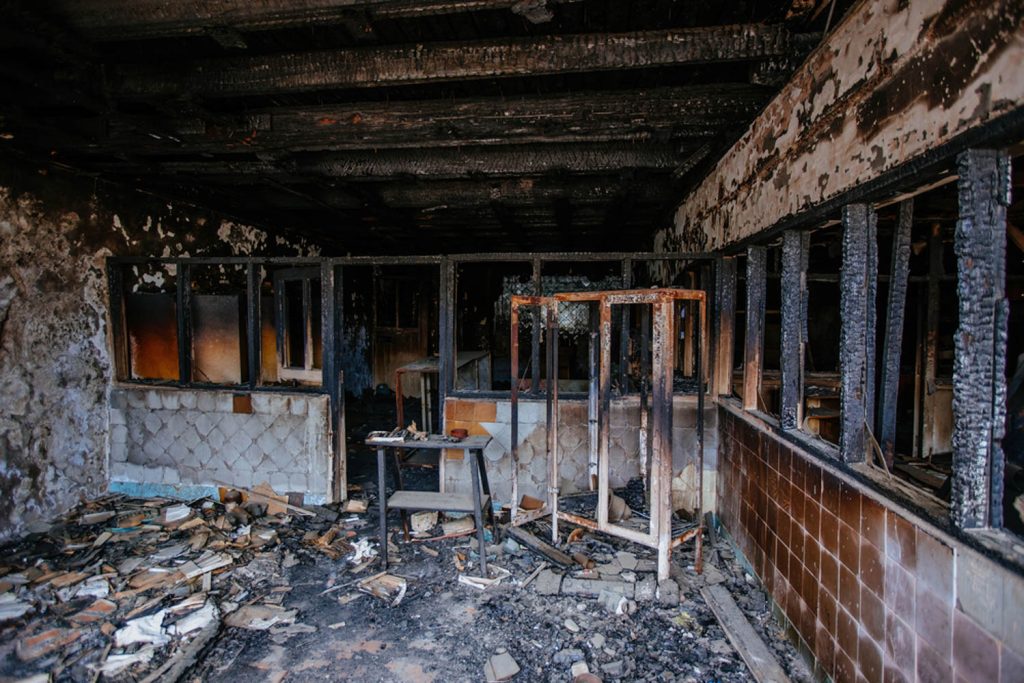
We identify, inventory, and remove salvageable items for specialized off-site restoration.
Includes:
- Furniture
- Electronics
- Documents
- Sentimental items
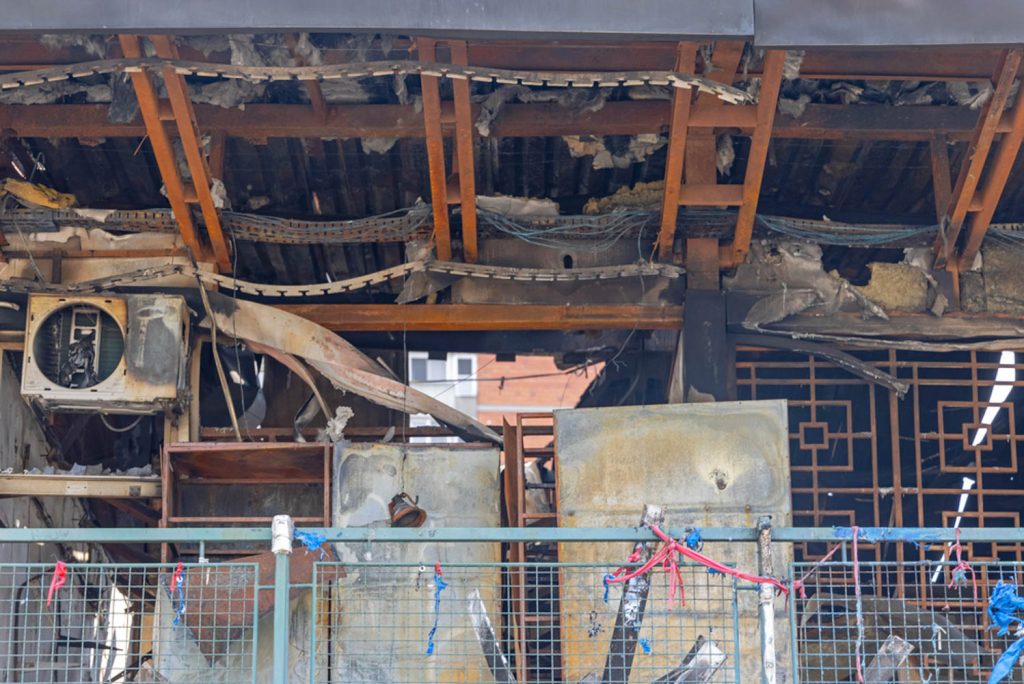
BUSINESS INTERRUPTION CONTROL
Minimizing Downtime After Fire Loss
As a premier fire damage restoration service We reduce operational disruption by stabilizing, documenting, and coordinating restoration quickly and efficiently.